Why Your Clothes Dryer Isn’t Drying Properly
12/29/25
This is a question we get asked multiple times every single day. If your clothes dryer is taking multiple cycles to dry or leaving clothes damp and hot, it’s not just frustrating—it can be a warning sign of a serious airflow problem. In many cases, the dryer itself isn’t broken. Instead, restricted exhaust airflow is preventing moisture from escaping.
Below are the most common reasons your dryer may not be drying efficiently and what you should do about them.
1. Clogged Dryer Vent
A clogged dryer vent is the most common cause of poor drying performance.
Over time, lint, dust, and debris build up inside the vent line. This restricts airflow, trapping heat and moisture inside the dryer.
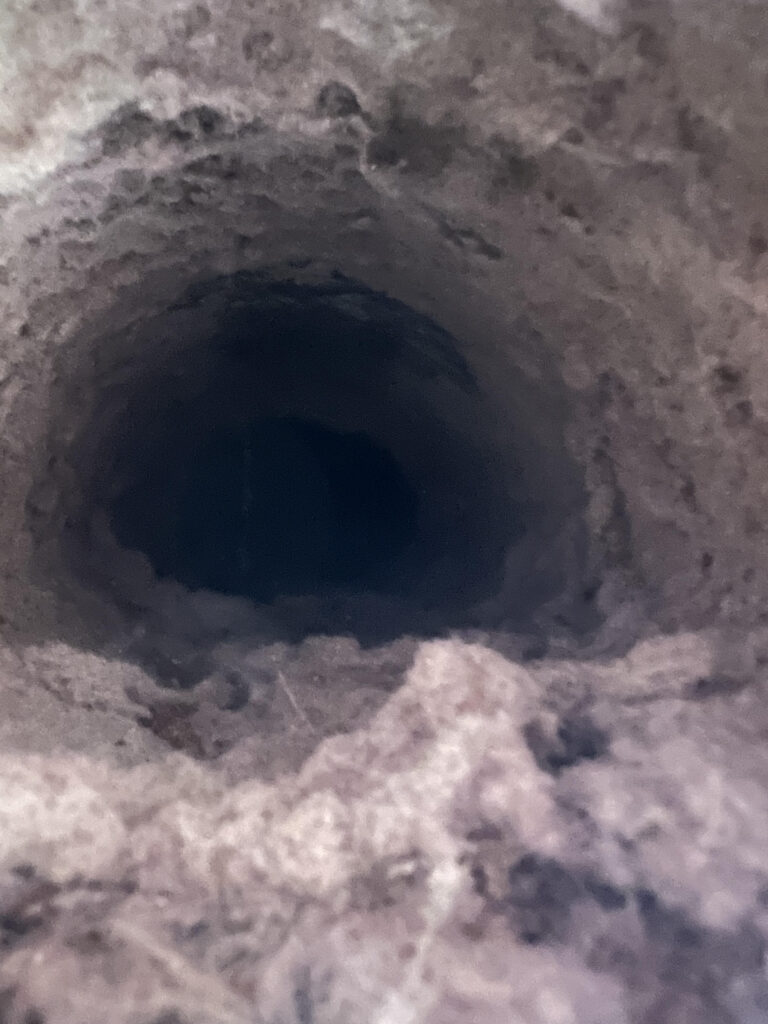
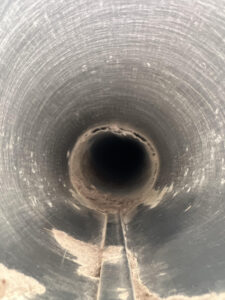
Signs of a clogged vent include:
- Clothes taking longer than normal to dry
- Dryer feeling excessively hot
- Burning or musty odors
- Lint collecting behind the dryer
Clogged vents are also a major fire hazard and should be professionally cleaned on a regular basis.
To learn more, read this blog about how often you should have your dryer vents cleaned.
2. Rooftop Dryer Vent Issues
Homes with a rooftop dryer vent are especially prone to airflow problems.
Common rooftop vent issues include:
- Lint buildup inside the vertical duct
- Birds’ nests or debris blocking the exhaust
- Frozen lint at the exhaust during winter
- Mesh screen left in place during installation
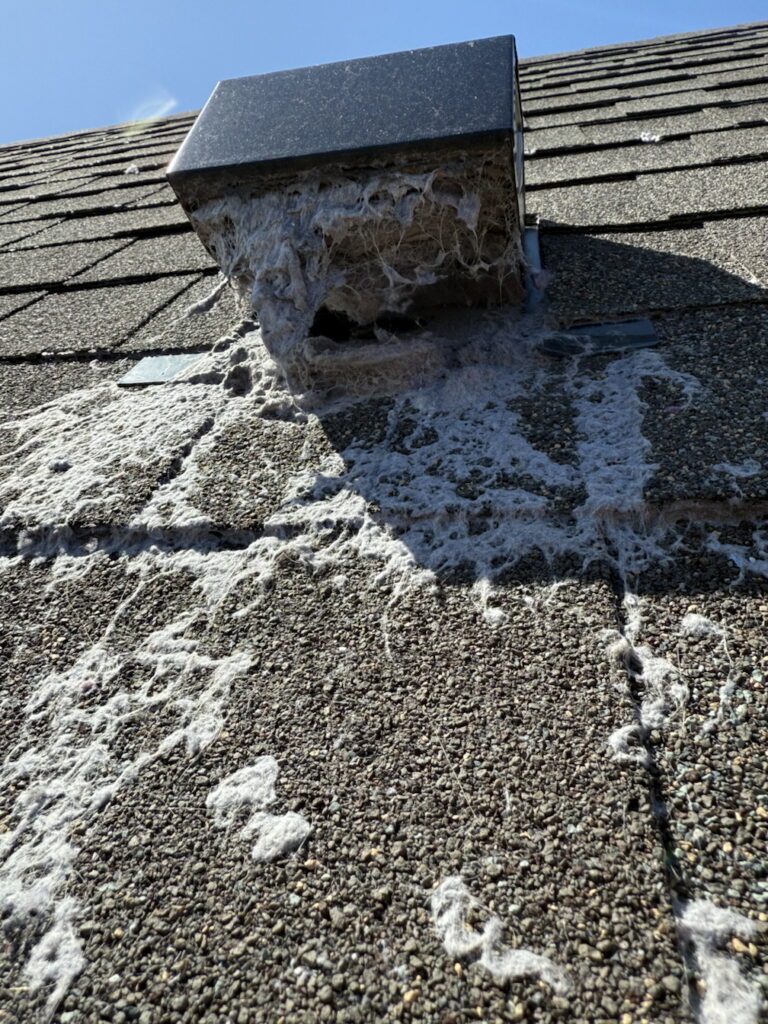
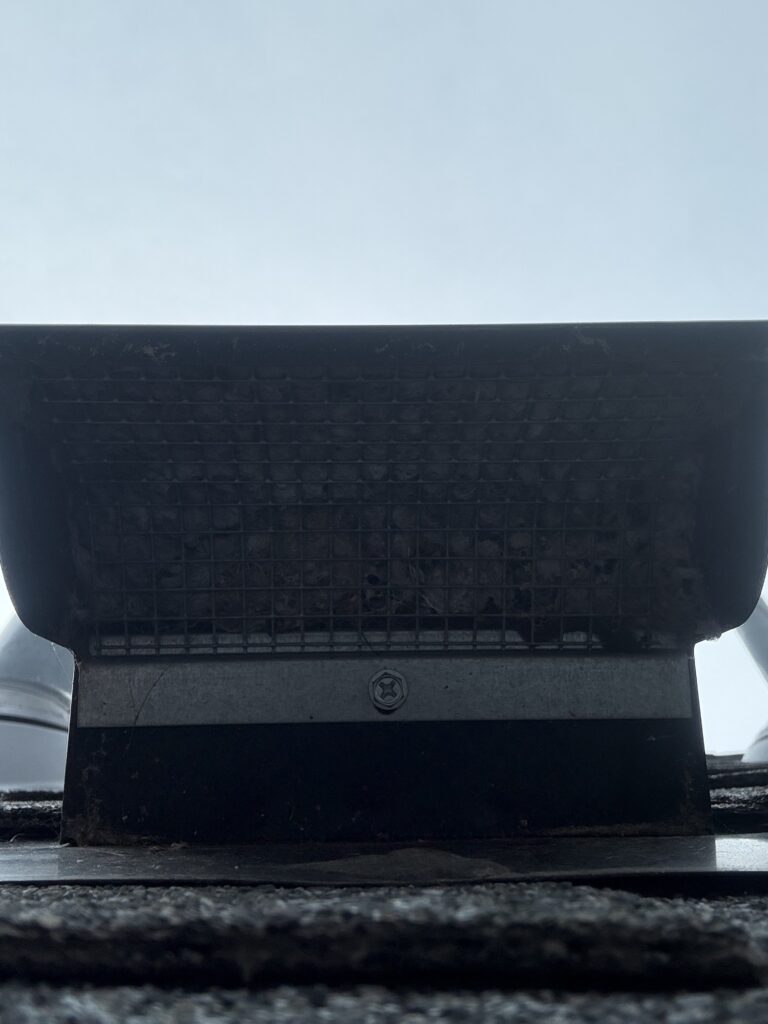
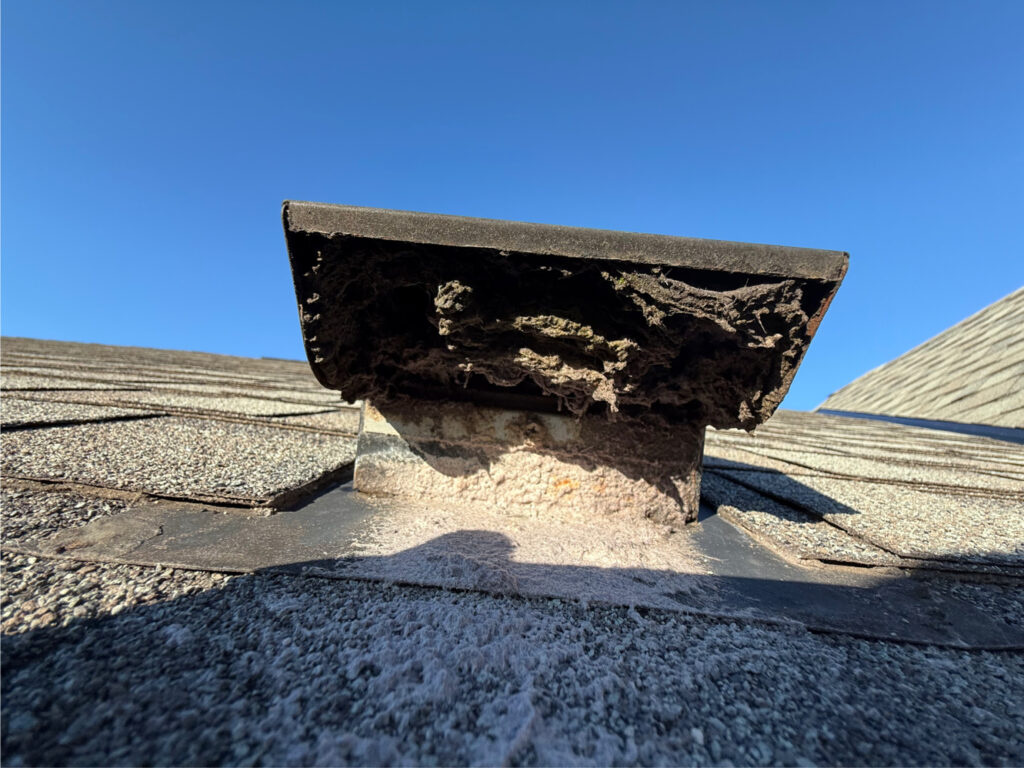
Because rooftop vents are harder to access, problems often go unnoticed until drying times increase dramatically, or error codes flash on your dryer. Most newer dryers have safety features that shut the dryer off and prevent use until proper airflow is restored.
For more info, read this blog on rooftop dryer vents
3. Kinked or Smashed Transition Hose
The transition hose (the flexible duct behind your dryer) can easily become kinked, crushed, or smashed when the dryer is pushed back.
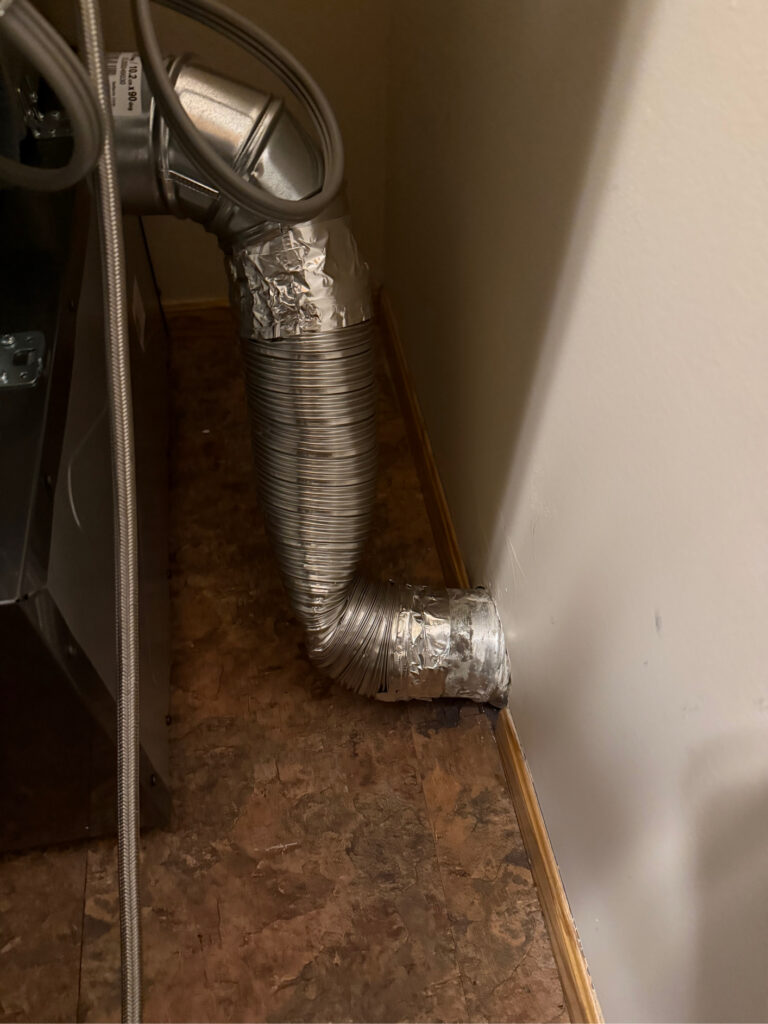
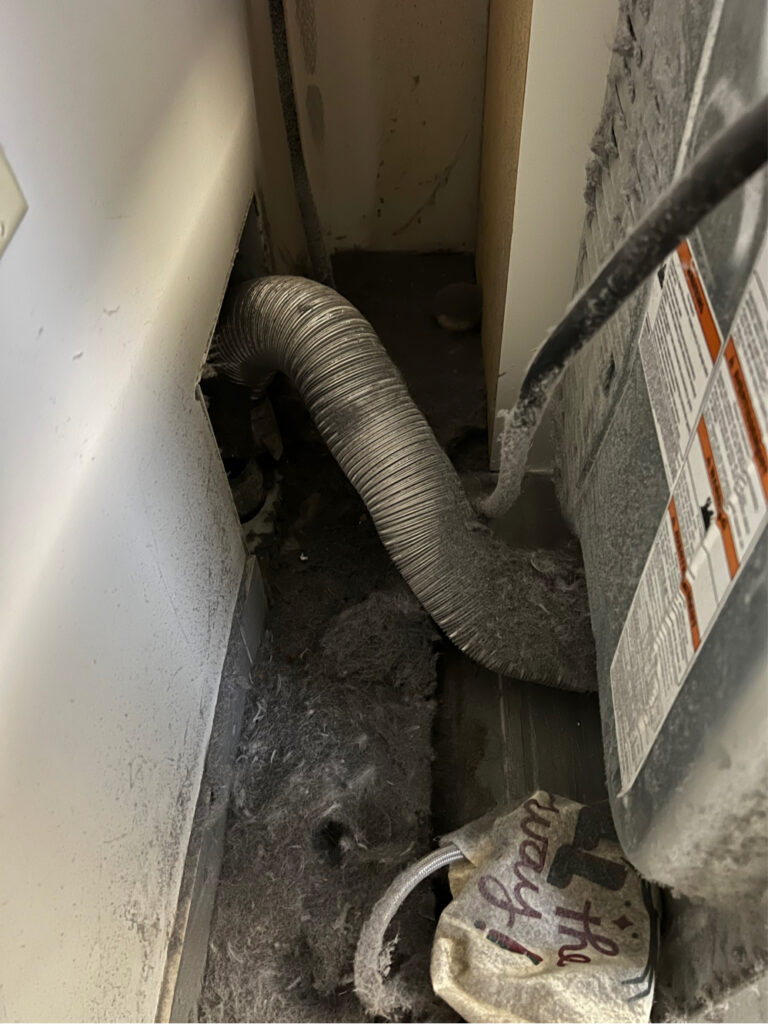
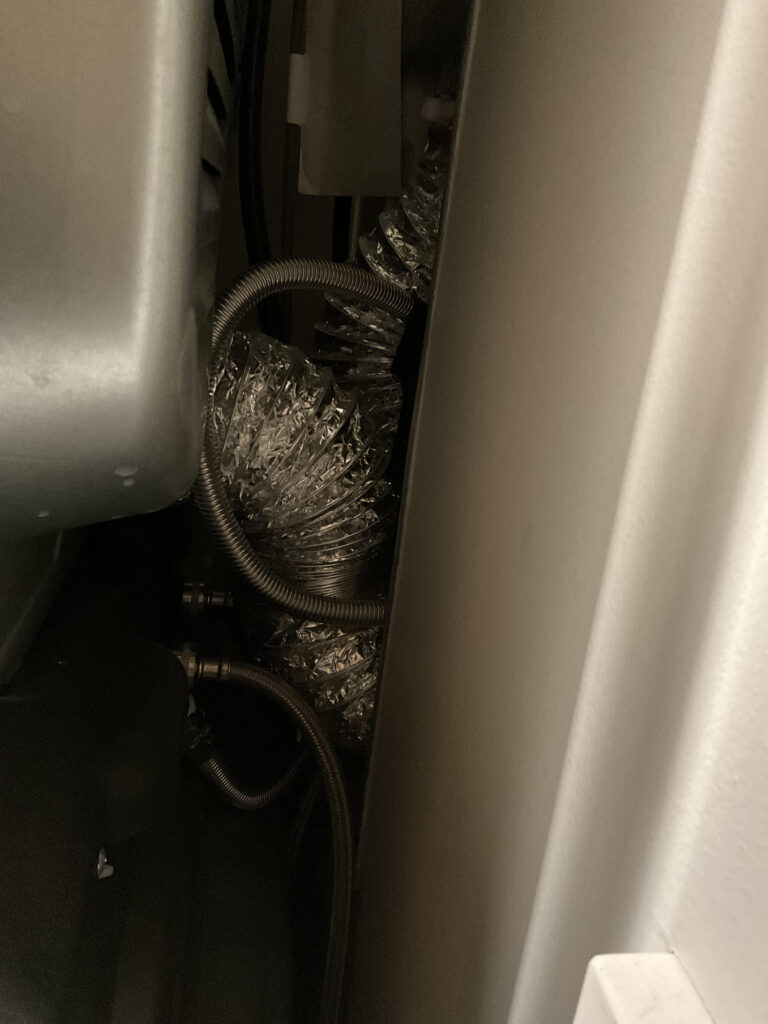
This reduces airflow immediately and can cause:
- Longer drying times
- Overheating
- Premature dryer wear
- Error codes on your dryer (DV80, DV90)
Plastic or flexible foil should never be used as a transition hose.
Read this for more info about transition hoses and repairs.
4. Dirty Lint Trap
A dirty lint trap restricts airflow right at the source.
Even if you clean it after every load, residue from fabric softener and dryer sheets can coat the screen over time.
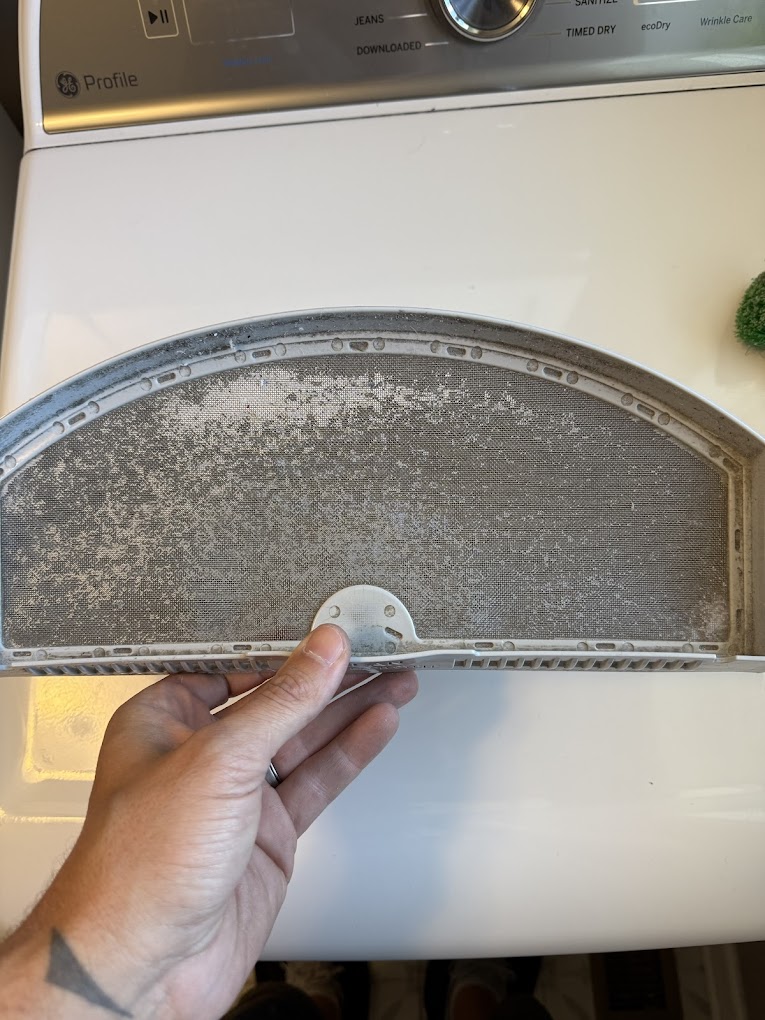
Tip: If you can’t see through your lint screen, it is definitely obstructing air flow.
Hold the lint screen under running water. If water pools instead of flowing through, it needs a deep cleaning.
5. Frozen Rooftop Exhaust (Winter Issue)
In cold climates, a frozen rooftop exhaust can completely block airflow.
Moist air exiting the vent freezes, sealing the exhaust shut. This causes clothes to stay wet and dryers to overheat.
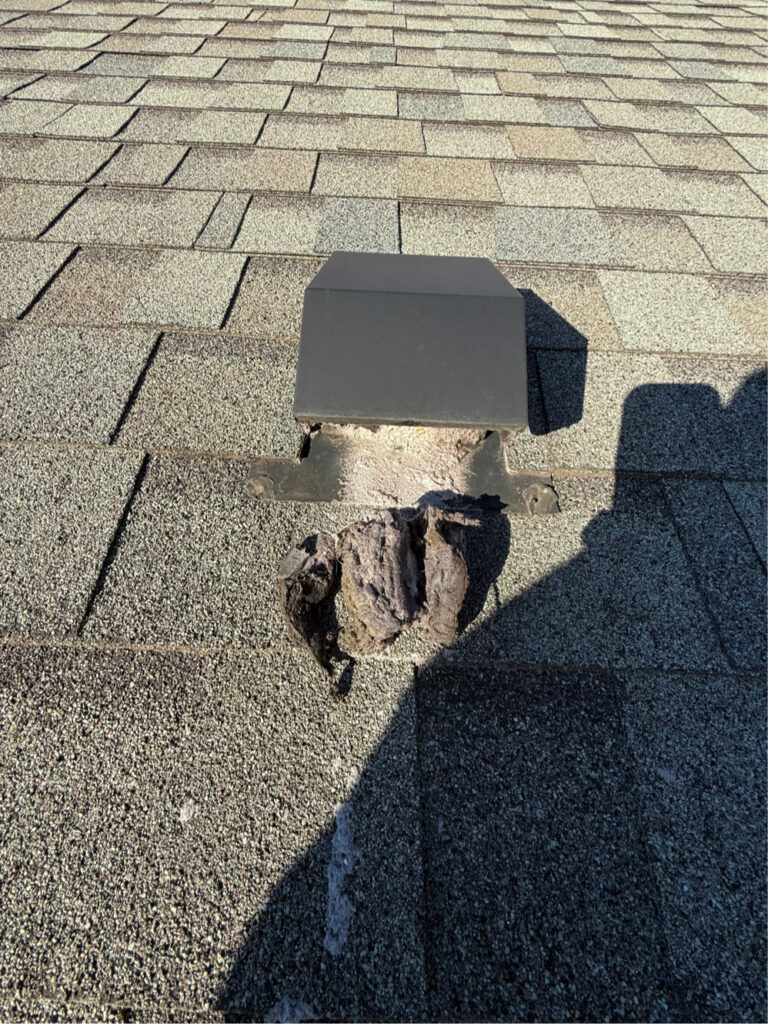
This issue is common during Minnesota winters and often requires professional inspection and repair.
6. Improper Fixed Hood Exhaust or Termination Hood
An improper exhaust hood or termination hood can trap lint, block airflow, and also create back pressure that will give your dryer an error code.
Common problems include:
- Screens that collect lint
- Flaps that stick closed or remain partially open
- Poorly designed fixed hoods
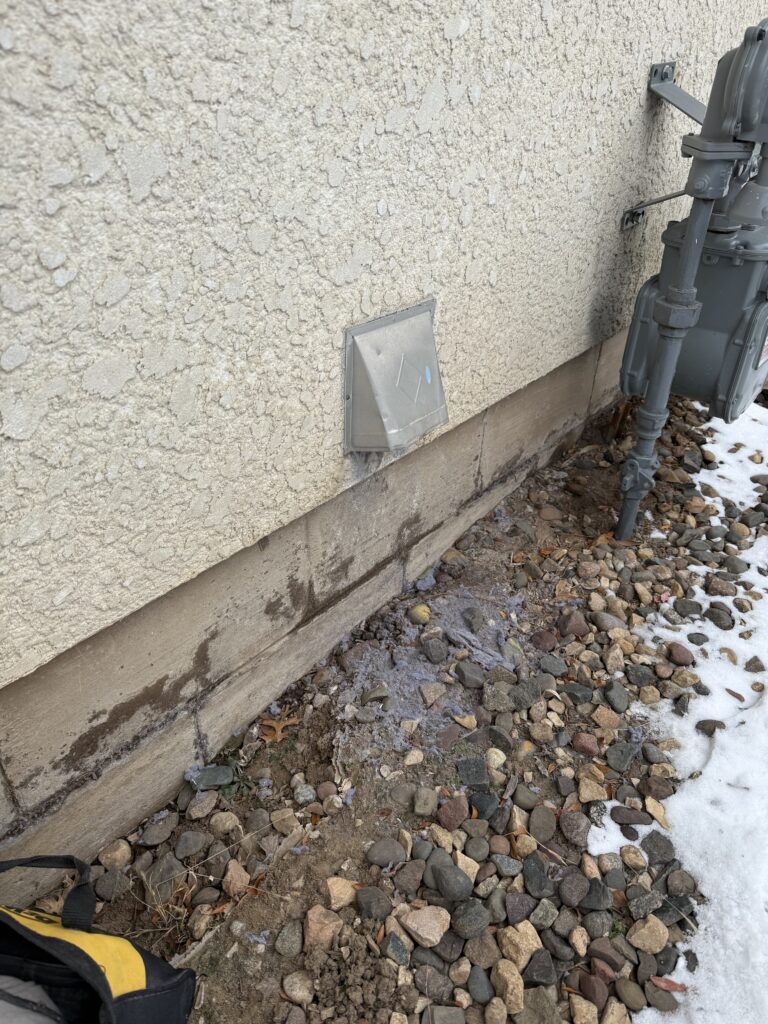
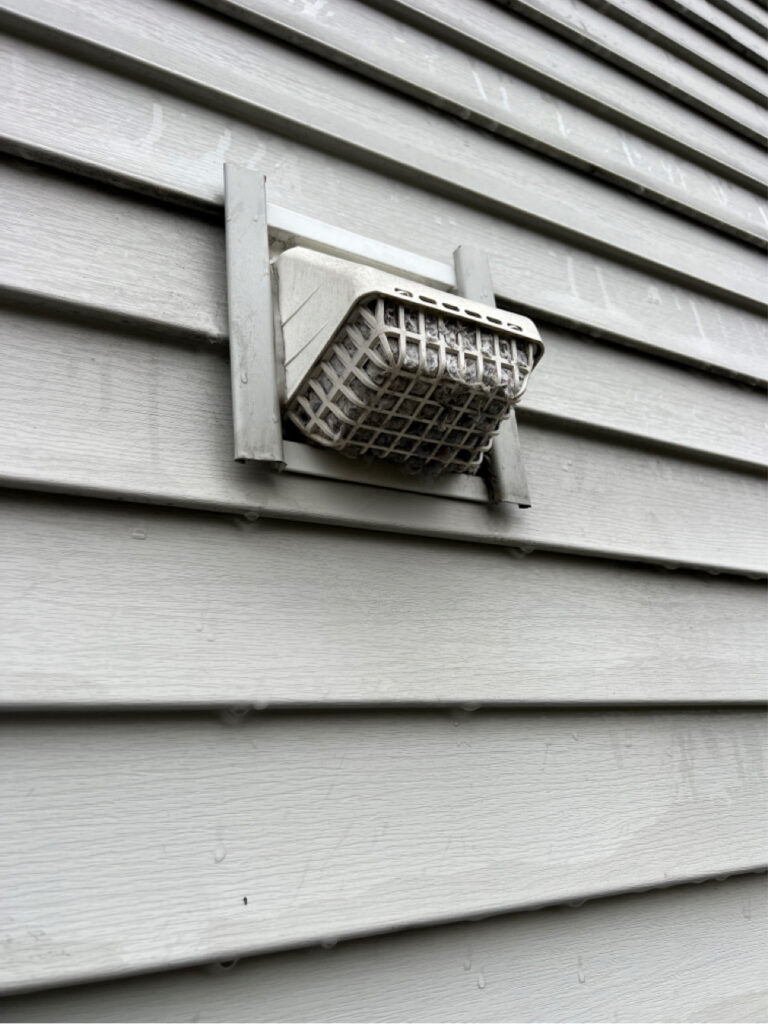
Dryer vents should never have screens installed, as they clog quickly. An old fixed dryer exhaust hood will create back pressure and will never achieve proper airflow. A new exhaust termination cap may be recommended.
7. Appliance Repair Issues
Sometimes the problem is inside the dryer itself.
Potential appliance repair issues include:
- Faulty heating elements
- Bad thermostats
- Weak blower motors
If airflow is confirmed to be clear, you may need your appliance repaired. Most dryers need repair due to a clogged dryer vent system.
Tip: If your dryer isn’t producing any heat, chances are you need your dryer repaired.
Final Thoughts
If your dryer isn’t drying clothes properly, don’t ignore it. Restricted airflow increases energy costs, shortens appliance life, and significantly raises the risk of a dryer fire.
A professional dryer vent inspection and cleaning can identify hidden problems—especially with rooftop vents, crushed hoses, or improper exhaust hoods.
If your clothes are taking too long to dry, the problem is often within the venting system, not the dryer. This means you probably need a dryer vent cleaning, or possibly a repair to restore airflow.
If your dryer isn’t producing heat, you may need a repair to your appliance.
These are all professional services that MN Dryer Vent offers.

MN Dryer Vent
| Monday | 7:00 AM - 7:00 PM |
| Tuesday | 7:00 AM - 7:00 PM |
| Wednesday | 7:00 AM - 7:00 PM |
| Thursday | 7:00 AM - 7:00 PM |
| Friday | 7:00 AM - 7:00 PM |
| Saturday | Try our BOOK ONLINE Feature!!! |
| Sunday | Try our BOOK ONLINE Feature!!! |